Buying Guides
Six Buying Mistakes That Leave Pet Products Sitting on the Shelf
Most slow-moving pet product stock is not a bad product - it is a predictable buying mistake. Here are the six that cost retailers the most shelf space, and how to avoid each.
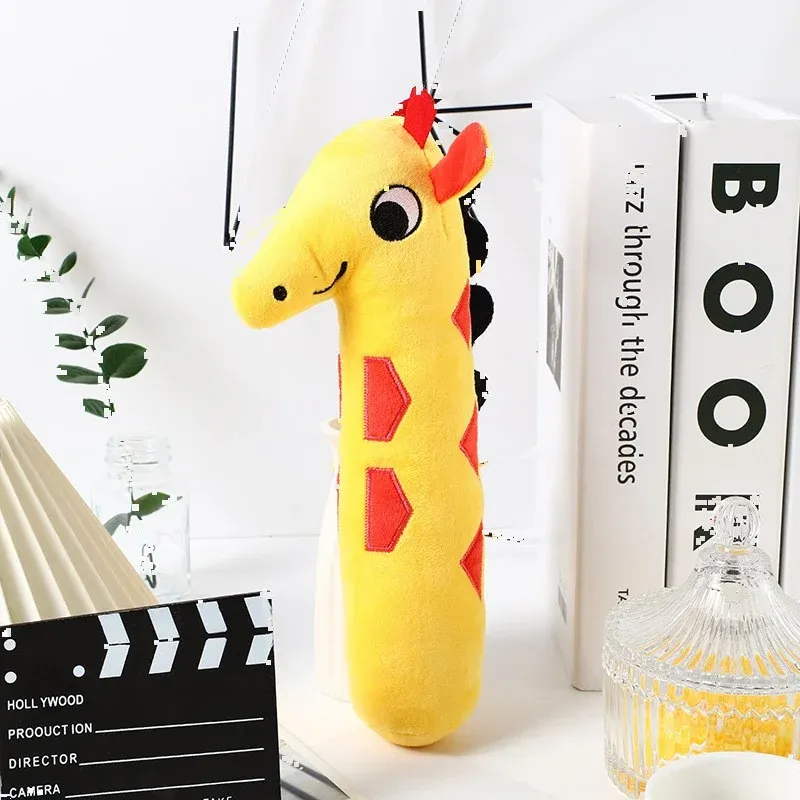
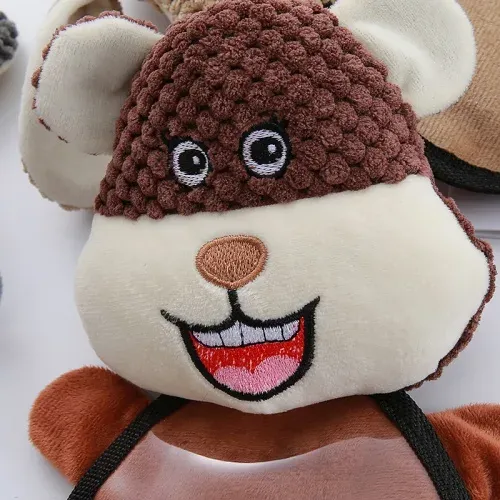
Nobody sets out to buy stock that will not sell. Yet walk into almost any independent pet shop and you will find a shelf of it: a row of identical plush animals in one colourway, a harness in a size that fits nobody's dog, six of a bowl that looked great in the catalogue. Slow-moving stock rarely comes from a bad product. It comes from six repeatable mistakes, and every one of them is avoidable before you sign a purchase order.
Mistake 1: Buying Depth Before Breadth
The most common first-order error is picking three or four designs you like and taking them deep. It feels efficient - fewer SKUs, better per-unit terms - but it puts all your shelf space into a very narrow bet. If the design does not suit your local customers, you have a wall of product that cannot sell. Buy a wide, shallow first order instead: more designs, smaller quantities, then reorder deep on whatever moves. A first order is market research, not a commitment to a favourite.
Mistake 2: Ignoring the Size Ladder
Sizing is where assortments quietly lose sales. Stock only one size of harness, bowl or plush and you are invisible to every customer whose pet falls outside that size. Stock a full size run and each customer sees one product that fits their animal. The good news is that size runs are the cheapest way to look like a bigger store: one design in three sizes reads as a range, not a product - and it delivers three add-on opportunities from a single purchase decision.
Mistake 3: One Colourway, One Theme
A single colourway is easy to order and hard to sell past the first customer, because everything on the shelf looks the same. Mixed colours within a design keep a display alive without multiplying SKUs, which is exactly why so much of the pet product supply chain ships in assorted cases. If your supplier offers one colour per carton, mixed cases, or a colour choice, treat that flexibility as a buying advantage rather than an ordering complication.
Mistake 4: Buying the Category You Like
Plush toys are fun to buy. Litter boxes and feeders are not - but they are what customers come back for, because they wear out, need replacing, and get bought on a schedule rather than on impulse. A shelf weighted entirely toward the exciting category and thin on the repeat-purchase categories will look busy and sell slowly. Balance the assortment against what customers actually replace at home, not what is enjoyable to source.
Mistake 5: Ignoring the Inner-Box Count
The number of pieces in an inner box - not the carton - is the number that decides how your shelf behaves. A 12-piece inner box lets you restock a peg cheaply and try a design without committing to volume. A 60-piece inner box forces you to buy a year of stock before the design has proven anything, and it turns a test into a bet. Ask for the inner-box count before you compare quotations: two offers that look similar often carry very different buying commitments behind them.
Mistake 6: Judging Material by Feel Alone
Softness on the shelf tells you nothing about what happens in a week of chewing. A toy that feels luxurious but has a glued face and a single-stitched limb will generate returns; a toy with a slightly firmer hand and a double-stitched joint will earn a second order. Judge material together with construction: fabric type, face construction, seam reinforcement at the joints, and filling density. Those four facts predict product life far better than how a sample feels in your hand at a trade show.
The Assortment Rule That Fixes All Six
If you want one rule to replace six, use this: spend your first order on coverage, not depth. Cover the categories your customers already buy, cover the sizes they need, cover two or three colours in the designs you do take, and keep quantities small enough that a miss is affordable. Then let the first month tell you where to go deep. Every good assortment we have seen in a small pet shop was built this way - not from a single inspired catalogue choice, but from a cheap, wide first order and a fast second one.
Frequently Asked Questions
How many designs should a first order include?
Enough to cover every category your customers buy - typically five to eight categories - with a few designs inside each. Depth comes later, once you know which designs move in your specific market.
Is a mixed-carton order possible?
With many suppliers, yes, and it is worth asking for. Mixed cartons let you build a wide, shallow first order without over-committing to a single design, which is exactly the shape of order that protects a new buyer.
What if a design does not sell at all?
That is the point of a shallow first order - it costs you little to find out. Move the remaining units to the front of the display, try the design in the strongest colourway, and do not reorder it. A design that fails at six pieces would have failed at sixty.
Browse our product range by category to see sizes, packing and inner-box counts, or contact us to plan a wide, shallow first order that fits your shelf.