Sep 16, 2026Buying Guides
How to Choose Safe Dog Chew Toys: A Wholesale Buyer's Guide
Material, durability and size decide whether a dog chew toy sells well and stays safe. A practical checklist for pet brands and retailers.
Why chew toys are a repeat-purchase category
Toys wear out, and the chewer comes back with the owner. Chewing is a natural need for dogs, especially puppies during teething, so chew toys restock themselves when the material matches the jaw. As a source factory with 10 years in pet products, we summarize what wholesale buyers should check before placing an order.
Check the material first
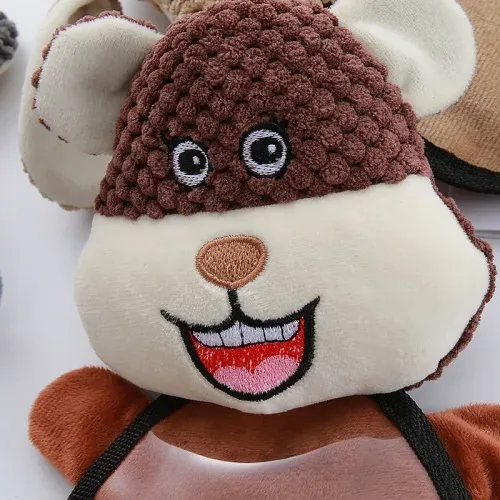
Common chew toy materials include cotton rope, plush and TPR rubber. Cotton rope suits toss and molar training; plush with a squeaker fits soft-mouthed dogs and puppies; TPR foam bones support teeth cleaning. Eco-friendly, non-toxic material should be the baseline for every order, and squeaker construction should be checked for swallow-safe stitching and glue.
Match size and strength to the dog
Puppies, small dogs and large dogs need different toy sizes and toughness. Offer a range: soft plush for puppies, rope for mid-size dogs, and durable TPR or rubber rings for strong chewers. This widens your shelf coverage without confusing the customer.
Work with a factory that controls the process
A factory with in-house injection molding and full-process inspection from raw materials to finished products can keep quality stable across batches. Ask about customization too: colors, scents and shapes are common OEM requests that a source manufacturer can handle directly.