Oct 5, 2026Buying Guides
How to Choose Cat Toys for Your Store: A Wholesale Buyer's Guide
Build a cat toy range that sells: cover four play styles, match toys to cat ages, check materials and packing, and assemble a balanced first order.
A cat toy shelf only works when it covers four jobs at once: interactive teasers that let owners play with their cats, small solo-play toys the cat can bat and carry, sensory items built around catnip, and a scratcher-style format that earns its spot on the floor. Cover those four jobs, size them for kittens through seniors, and one compact order serves almost every customer who walks in. This guide breaks each check down for wholesale buyers - and ends with a sample first-order shelf and quick answers to the questions buyers ask most.
Start With the Cat, Not the Toy
Kittens chase and pounce on anything that moves, so they do best with small, lightweight soft toys they can grab and kick. Adult cats are the widest group: they still chase, but they also wrestle, carry and bunny-kick, which is where kicker-style bodies and teasers earn their keep. Senior cats play less but still benefit from gentle sensory and enrichment items. A range that spans small mice, mid-size plush bodies, teasers and one scratcher format covers all three groups without overlapping SKUs.
Cover the Four Play Styles
Interactive Teasers
Teaser wands turn play into owner-and-cat time, which makes them the easiest format to demonstrate in store. Look for a wand with a character or ball head, a flexible body and a tail element - our current range runs from a smiley-face ball teaser with feather top (25 cm total length) to a rainbow towel-cloth strip mouse teaser (30 cm). One or two teaser designs are enough; they sell on interaction, not variety.
Solo-Play Small Toys
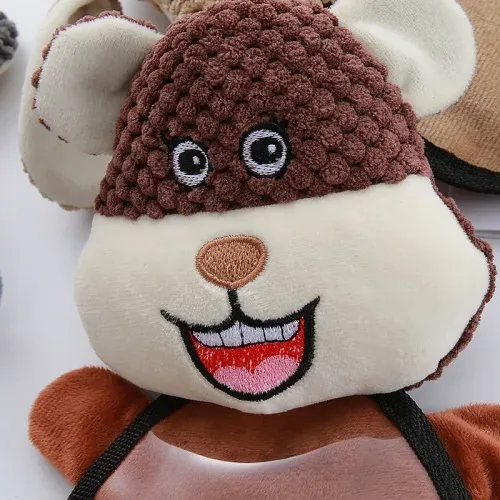
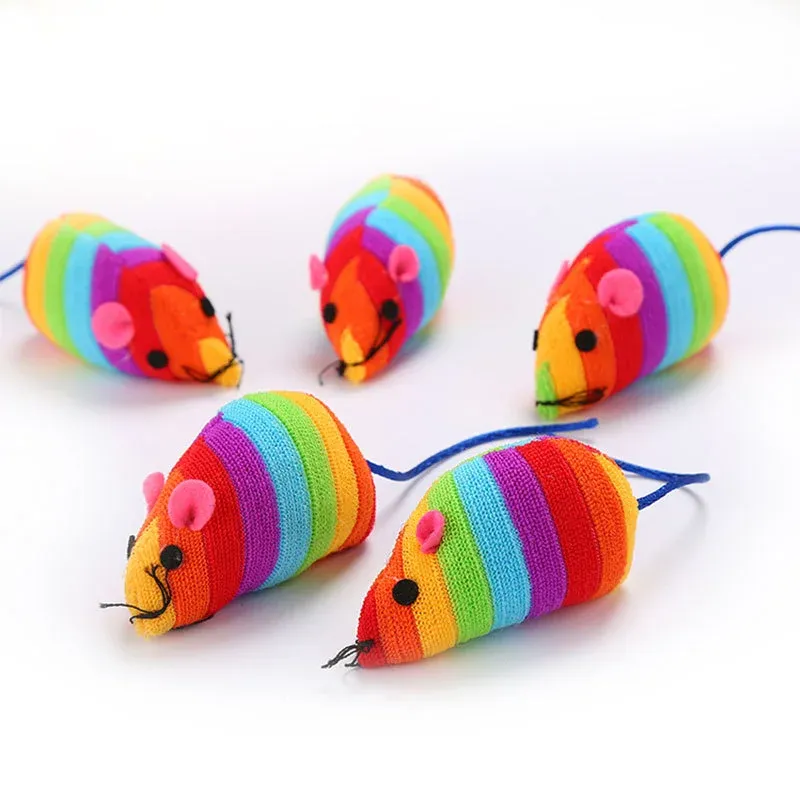
This is the volume zone of the category: mice, fish, hedgehogs and spiders sized for batting, carrying and kicking. Compact bodies in the 4.5-12 cm range suit kittens and small cats, while longer bodies around 28-30 cm double as kickers for adult cats. These toys are also the natural multipack candidates - ours ship on backer cards with 12 pieces per inner box, which keeps shelf depth manageable.
Sensory and Chew
Catnip gives small toys a second life: a catnip corduroy mouse (6×3.5 cm) gives scent-driven cats a reason to return to a toy they already carry around. Natural loofah is the chew-oriented pick - a loofah chew toy (8×14 cm) gives texture for gnawing without the mess of a stuffed toy. Keep in mind that catnip appeals to many cats but not all, which is exactly why sensory items should sit alongside - not replace - the chase and kick formats.
Scratcher Formats
A scratcher toy earns floor space next to the shelf. Our fruit-shaped sisal ball on an 18 cm sisal disc combines scratching with batting play, and the disc keeps it positioned where the customer wants it. One or two scratcher formats round out a range; more than that cannibalizes the same purchase.
Check Materials and Details
Four materials cover the category: short-pile polyester plush for soft toys, paper rope for knitted designs, sisal for scratching and natural loofah for chewing. Run your thumb against plush pile - fibers that shed will look worn after a week in a cat's paws. Check the details too: stitched or embroidered-style faces survive play better than glued parts, and small hard accessories have no place on toys sized for kittens. For a deeper material-by-material comparison, see our guide to cat toy materials in the Buying Guides section.
Mind the Packing and Size Runs
Packing decides how a toy merchandises. Backer cards suit pegs and shelf strips; 12-piece inner boxes keep reorders simple; hang tags suit larger floor items like scratchers, and folded card plus OPP bag packing protects natural-material toys. Mixed colors within one design keep the display lively without multiplying SKUs. And think in size runs: our range spans 4.5 cm feather mice to 30 cm teasers, so a single design family can serve kittens through large breeds the same way size runs do in apparel.
A Sample First-Order Shelf
Here is one balanced way to fill a starter shelf from our current range - a starting point to adjust to your market, not a sales ranking: two teaser designs for interactive play; three or four solo-play multipacks, such as feather-tail mice, plush fish and a spider; one catnip sensory item; one loofah chew toy; and one sisal ball scratcher for the floor. That is roughly ten designs covering all four play styles, with the multipacks carrying the volume and the teasers driving demonstration sales.
Wholesale Cat Toys from Lanshine Pet
Yiwu Lanshine Pet Products manufactures a wide cat toy range - teasers, plush mice and characters, catnip toys, paper rope designs, sisal scratchers and natural loofah chews - all supplied with retail-ready packing and mixed colors. We support bulk and customized orders, including OEM/ODM development from your samples or drawings, and our sales team answers inquiries within 24 hours.
Browse the Cat Toys category to see the full range with sizes and packing, or contact us for a quote on your first cat toy order.
Frequently Asked Questions
How many designs should a first cat toy order include?
Start with around eight to ten designs covering all four play styles - two teasers, three or four solo-play multipacks, one sensory item, one chew item and one scratcher. Depth comes from the 12-piece inner boxes rather than from adding more designs, so you can expand by what actually sells in your store.
What sizes does the range cover?
Small solo toys run from 4.5 cm feather mice up to 12 cm plush bodies, kicker-style toys reach 28-30 cm, the loofah chew toy is 8×14 cm and the sisal scratcher pairs a fruit-shaped ball with an 18 cm disc. Exact measurements are listed on each product page.
Can I order cat toys with my own branding?
Yes. Lanshine Pet supports bulk and customized orders, including OEM/ODM development from your samples or drawings. Send your inquiry through the contact page and the sales team responds within 24 hours.